How to Spot the Small Errors Killing Your Google Maps Click Volume
How to Spot the Small Errors Killing Your Google Maps Click Volume
In the high-stakes world of local search, visibility is often mistaken for victory. As a Local SEO Consultant and Google Business Profile Product Expert, I’ve seen thousands of businesses achieve the coveted “Top 3” position in the Map Pack, only to wonder why their phones aren’t ringing. The reality of 2026 is that google business profile seo is no longer just about ranking; it is about conversion. If your profile is visible but your click volume is stagnant, you aren’t suffering from a ranking problem – you’re suffering from friction.
Many business owners assume that if they appear on the map, the customers will naturally follow. However, recent data suggests that Google has made it nearly three times harder for small businesses to be found organically through traditional means, forcing a heavier reliance on the Map Pack. Yet, even within that Map Pack, “silent killers” – small, technical, and engagement-based errors – are diverting your potential leads to competitors. This guide will help you identify these microscopic leaks in your local marketing funnel and explain how to rank google business profile assets effectively for maximum ROI.
The Technical Friction: Why Your Links are Ghosting Customers
The bridge between your Google Business Profile (GBP) and a converted customer is almost always a URL. Whether it’s your main website link, a “book an appointment” button, or a menu link, these technical touchpoints are where most click volume dies a quiet death. According to research by Rio SEO, broken or misdirected URLs and slow-loading landing pages are the primary silent killers of local rankings and conversions.
When a user clicks your “Website” button and encounters a 404 error or a slow-loading page, two things happen. First, the user immediately bounces back to the search results to click on your competitor. Second, Google’s algorithm notes this “failed interaction.” In the 2026 landscape, Google prioritizes the user experience above all else. If your technical infrastructure causes friction, Google will eventually demote your profile, regardless of how many reviews you have.
Redirect chains (302 redirects) are another common culprit. Often, businesses update their website and set up temporary redirects that never get finalized. These chains add milliseconds to load times, which are magnified on mobile devices. To combat this, savvy marketers use a google business profile audit tool to crawl their profile links regularly, ensuring every destination is “200 OK” and mobile-optimized. You can read more about how these small listing errors silently kill your local authority in our deep-dive analysis.
Category Confusion and the Citation Decay
One of the most common mistakes I see in my consultancy is “Category Dilution.” Business owners often think that by adding as many categories as possible, they will cast a wider net. In reality, choosing the wrong primary category – or adding too many irrelevant secondary categories – confuses Google’s understanding of your core business. Boulder SEO research has highlighted that a single “Category Mistake” can hand your primary business keywords directly to your competitors on a silver platter.
Furthermore, while the industry has moved toward engagement-based signals, the foundation of NAP (Name, Address, Phone) consistency still plays a vital role. However, the threat has shifted from “missing citations” to “Citation Decay.” This happens when your business information changes – perhaps a new suite number or a secondary phone line – but old data persists across the web. This conflicting information creates a lack of trust in Google’s Knowledge Graph.
It is important to understand why buying 100 cheap citations often tanks your local authority. Instead of mass-producing low-quality data, focus on the accuracy of your primary data sources. If Google sees three different phone numbers for your business across five different directories, it may hesitate to show your “Call” button prominently, fearing it might lead the user to a dead end. This is a foundational element of any google maps ranking service worth its salt.
Beyond the Click: 2026’s Invisible Ranking Signals
We have officially entered the era of “Engagement SEO.” In 2026, Google’s algorithm has evolved to look far beyond the initial click. It now monitors how users interact with the Map interface itself when your business is displayed. These are the “Invisible Signals” that determine if you stay in the Top 3 or get relegated to page two. To stay ahead, you must understand why profile dwell time now outranks simple click volume.
Map Zoom-In Persistence
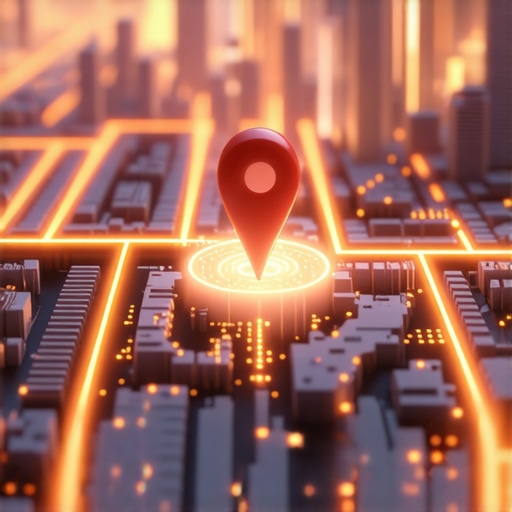
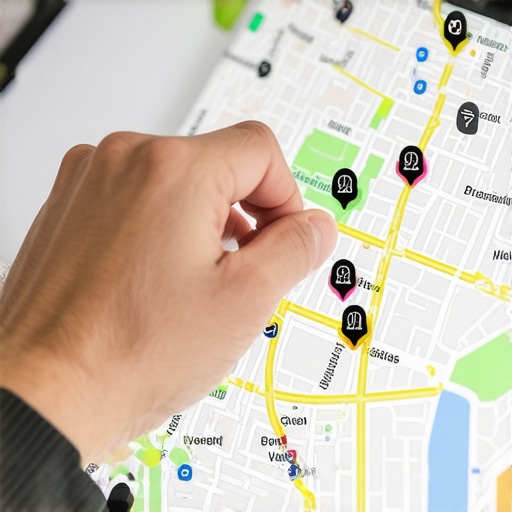
When a user sees your pin on the map and zooms in to see exactly where you are located in relation to a landmark or their current position, Google views this as a high-intent signal. It shows that the user isn’t just browsing; they are planning a physical visit. This is why Map Zoom-In Persistence is a top 2026 ranking signal. If users consistently zoom in on your location, your authority in that specific geographic micro-zone increases.
User-led Map Panning and Pin Drags
If a user searches for a service, sees your listing, and then pans the map to see what else is around you before coming back to your pin, that “return trip” is a massive endorsement of your listing’s relevance. Similarly, “Map Pin Drags” – where a user interacts with the map to adjust their view while your business is highlighted – demonstrate active engagement. These micro-interactions are now tracked and weighted more heavily than a simple, static impression.
“Want to Go” List Saves
Google Maps is increasingly becoming a social and planning tool. When a user saves your business to their “Want to Go” or “Favorites” list, it signals to Google that your business has long-term value. Encouraging customers to save your listing is a powerful way to fix ghosted ranking signals that might be holding your profile back.
Why Your Photos and Buttons are Failing the “Tap Test”
Visual friction is the primary reason for a high “impression-to-click” drop-off. If your profile appears in the search results but the cover photo is a blurry shot of your parking lot or a generic stock image, users will bypass you for a competitor with vibrant, authentic imagery. In 2026, Google tracks “Rapid Photo Swiping.” If a user opens your photo gallery and quickly swipes through 10+ photos, it tells Google your content is engaging and helpful.
Conversely, the “Ghosted” call button is a devastating error. This occurs when there is a mismatch in the dashboard or a verification glitch that makes the call button appear unclickable or leads to a “number not recognized” error on certain mobile browsers. Using high-quality local seo software allows you to monitor these conversion points from different devices and locations to ensure they are always functional.
To optimize for the “Tap Test,” ensure your first five photos are professional, high-resolution, and representative of your best work. Profiles that regularly update their photos see significantly higher engagement rates. This is a core component of google business profile optimization. If you aren’t sure where your profile stands, check out our 7 overlooked errors in your Google Maps ranking checklist to see if your visuals are dragging you down.
The 15-Minute Audit: Spotting Errors Before Your Competitors Do
You don’t need to spend hours every day on your GBP to see results. A focused, 15-minute audit can reveal the “leaks” in your click volume. Here is a checklist based on the most common errors I encounter:
- Verify NAP Across Top 10 Directories: Use an automated tool to ensure your Name, Address, and Phone number are identical on Google, Apple Maps, Bing, Yelp, and the major data aggregators.
- Check for 404s and Redirects: Click every link on your GBP. If it takes more than 2 seconds to load or goes through multiple redirects, fix it at the source.
- Audit Primary vs. Secondary Categories: Ensure your primary category is your most profitable service. Remove any secondary categories that don’t directly relate to your current offerings.
- The “Silent Treatment” Review Check: Are there reviews – even 5-star ones – that haven’t been responded to? Google rewards businesses that engage with their community. Failing to respond is a signal of neglect.
- GBP Post Recency: Check if your last post was more than 7 days ago. Weekly updates keep your profile “fresh” in the eyes of the algorithm.
For a more detailed breakdown, refer to The 15-Minute Google Maps Audit That Finds Hidden Ranking Blocks. This systematic approach ensures that you are catching errors before they impact your monthly lead volume.
Conclusion: Plugging the Leaks for 2026 Success
The difference between a Google Business Profile that merely exists and one that dominates its local market often comes down to the smallest details. Broken links, category confusion, and a lack of engagement signals like map panning or photo interaction can silently drain your click volume, even if you are ranking well. In the era of Engagement SEO, you cannot afford to set and forget your profile.
By identifying technical friction, cleaning up citation decay, and optimizing for 2026’s invisible ranking signals, you can turn your GBP into a high-conversion engine. Don’t let small errors kill your growth. Use google maps ranking service insights and a professional google business profile audit tool to stay ahead of the curve.
If you’re ready to stop losing leads to the competition, I recommend using SEO Viper Tools to run a comprehensive audit of your current standing. For those who need a deeper dive into their local strategy, feel free to reach out to me, Kevin Pauls, for a strategy call tailored to your specific market needs.
Kevin Pauls is a Local SEO Consultant and Google Business Profile Product Expert who helps businesses and agencies dominate Google Maps.